
informative blog
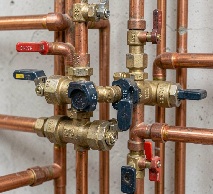
Plumbing Shut-Off Valves: What Every Homeowner Should Know
When a plumbing emergency strikes—like a burst pipe or leaking faucet—knowing how to quickly stop the water flow can save you thousands of dollars in damage. That’s where plumbing shut-off valves come in. These simple but essential components give you control over your home’s water system. Whether you’re dealing with a dripping faucet, replacing a toilet, or handling an emergency, knowing where your shut-off valves are and how to use them can save you time, money, and stress.
What is a Shut-Off Valve?
A shut-off valve is a device that controls the flow of water through your plumbing system. By turning the valve, you can stop water from reaching a specific fixture (like a sink or toilet) or even your entire home.
Types of Plumbing Shut-Off Valves
Understanding the different types of valves can help you identify and use them effectively.
1.Main Water Shut-Off Valve
This valve controls water flow to your entire home. It’s usually located:
• In the basement
• Near the water meter or
• Where the main water line enters your home
Every household member should know where this valve is located.
2.Fixture Shut-Off Valves
These are smaller valves found near individual fixtures like:
• Sinks
• Toilets
• Washing machines
They allow you to stop water to one fixture without affecting the rest of the house.
3.Ball Valves
• Use a lever handle
• Quick quarter-turn operation
• Durable and reliable
4.Gate Valves
• Use a round handle
• Require multiple turns
• More common in older homes but prone to sticking
Why Shut-Off Valves are Important
Shut-off valves are your first line of defense against water damage. They help you:
• Stop leaks instantly
• Perform repairs safely
• Prevent flooding during emergencies
• Save money on costly repairs
How to Turn Off a Shut-Off Valve
Always turn valves gently to avoid breaking them—especially older ones.
Maintenance Tips
Like any part of your home, shut-off valves need occasional attention:
• Test them twice a year
• Look for rust or corrosion
• Replace stiff or leaking valves
• Ensure easy access (don’t block them with storage)
When to Replace a Shut-Off Valve
Consider replacing your valve if:
• It leaks when closed
• It’s difficult to turn
• It’s visibly corroded
• It fails to fully stop water flow
Upgrading to a ball valve is often a smart, long-term solution.
When to Call a Professional
While turning off a valve is easy, replacing a main or fixture shut-off valve can be tricky. A
licensed plumber ensures:
• Proper installation to prevent leaks
• Compliance with local plumbing codes
• Safe handling of pipes and connections
Final Thoughts
Plumbing shut-off valves may not be something you think about daily, but in an
emergency, they become incredibly important. Taking a few minutes to locate and test
your valves today could save you major stress—and expense—down the road. In
an emergency, seconds count!
All American Sewer Service Inc. is not responsible for, and does not endorse or approve, either implicitly or explicitly, the content of any third party content hyperlinked from this page. All American Sewer Service Inc. has no discretion to alter, update, or control the content on the hyperlinked, third party content. Access to third party content is at the user's own risk, is being provided for informational purposes only and is not a solicitation to buy or sell any of the products which may be referenced on such third party content.
The information in this article was obtained from various sources not associated with All American Sewer Service Inc.. While we believe it to be reliable and accurate, we do not warrant the accuracy or reliability of the information. These suggestions are not a complete list of every preventative measure or solution. The information is not intended to replace manuals or instructions provided by the manufacturer or the advice of a qualified professional. All American Sewer Service Inc. makes no guarantees of results from use of this information.